






🤱 Why Breastfeeding Is Good: Nature’s Perfect Nourishment
Breastfeeding is one of the most natural and powerful ways to nourish a newborn. Beyond its biological role, it nurtures emotional bonds and sets a foundation for lifelong health. Yet, many new parents are overwhelmed by conflicting advice and social pressure. So why exactly is breastfeeding so highly recommended by healthcare professionals around the world?
In this comprehensive blog, we explore the many reasons why breastfeeding is beneficial — for baby, for mother, and even for society as a whole.
🍼 Health Benefits for Baby
Breast milk is often referred to as liquid gold because of its unmatched nutritional value. It’s perfectly tailored to meet a newborn’s needs, adapting in composition as the baby grows.
Key Benefits Include:
- Boosts immunity: Rich in antibodies, breast milk protects against infections
- Reduces risk of illnesses: Fewer cases of ear infections, diarrhea, respiratory issues, and sudden infant death syndrome (SIDS)
- Promotes healthy weight: Breastfed babies are less likely to become obese later in life
- Supports brain development: Contains essential fatty acids crucial for cognitive growth
- Easier to digest: Especially for newborns with sensitive tummies
- Reduces risk of allergies and asthma: Early breastfeeding may lower the chances of developing these conditions
- Better jaw and teeth development: The act of nursing promotes healthier oral structures compared to bottle-feeding
👩🍼 Health Benefits for Mothers
Breastfeeding isn’t just good for the baby — it’s also deeply beneficial for moms.
Advantages for Mothers:
- Speeds postpartum recovery: Releases oxytocin which helps the uterus contract
- Burns extra calories: Aiding postpartum weight loss naturally
- Lowers risk of certain diseases: Including breast cancer, ovarian cancer, and type 2 diabetes
- Delays return of menstruation: A natural form of birth spacing in the early months
- Fosters emotional bonding: Skin-to-skin contact promotes maternal attachment
- Reduces postpartum depression: Hormonal balance and emotional closeness may help reduce mood swings
🧬 Nutritional Superiority
Breast milk contains:
- Proteins, fats, carbohydrates in ideal proportions
- Enzymes and hormones to support digestion and growth
- Immunoglobulins and white blood cells to defend against disease
- Colostrum (first milk): A super-rich early milk filled with antibodies and nutrients
And unlike formula, breast milk changes daily based on the baby’s needs. For instance, breast milk produced during nighttime contains higher levels of melatonin, helping babies sleep better.
💰 Economic and Environmental Benefits
Breastfeeding also supports sustainability and saves money:
- Cost-effective: No need to buy formula, bottles, sterilizers, etc.
- Eco-friendly: No packaging waste, transportation emissions, or manufacturing impact
- Less strain on healthcare: Healthier babies mean fewer doctor visits and hospital stays
- Reduces family expenses: Saving hundreds to thousands of dollars in the first year alone
Families and governments alike benefit from increased breastfeeding rates.
🌍 Global Recommendations
Organizations like the World Health Organization (WHO) and American Academy of Pediatrics (AAP) recommend:
- Exclusive breastfeeding for the first 6 months
- Continued breastfeeding along with complementary foods for up to 2 years or beyond
These guidelines are based on extensive research showing that breastfeeding is a foundational element of child health.
In addition, UNICEF promotes breastfeeding as a key public health intervention in both developed and developing countries.
💬 Cultural and Emotional Aspects
Breastfeeding is more than nutrition — it’s an emotional experience:
- Deepens the connection between mother and child
- Provides comfort and reassurance for the baby
- Encourages peaceful sleep patterns and emotional regulation
- Builds confidence in mothers
- Continues traditional family practices, bridging generations
In some cultures, breastfeeding is honored with ceremonies and blessings, symbolizing life, renewal, and maternal power.
🧠 Overcoming Challenges
Breastfeeding doesn’t always come easy. Mothers may face:
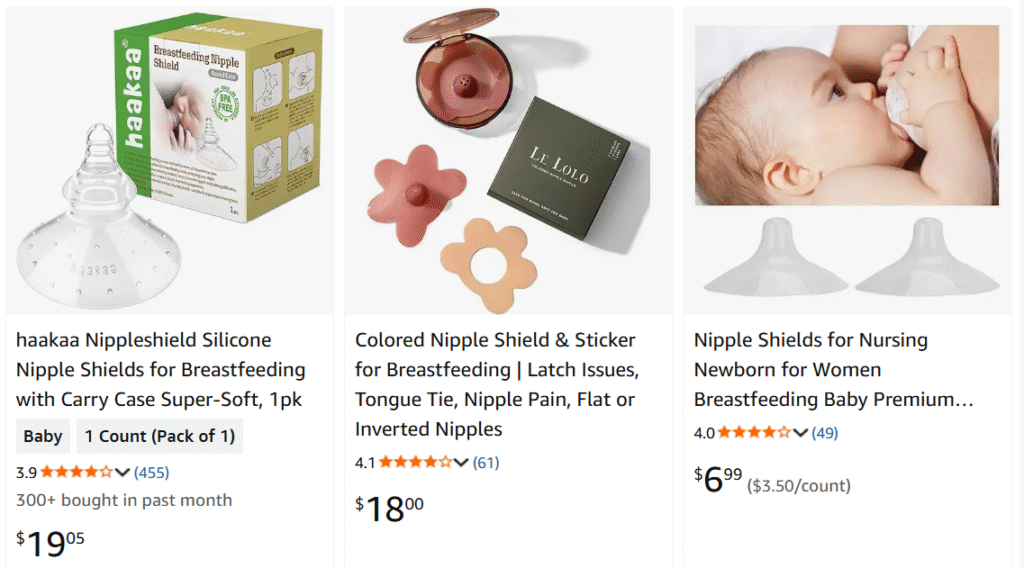
- Latching difficulties
- Sore nipples
- Low milk supply
- Engorgement or mastitis
- Societal stigma or public discomfort
But with the right education, lactation consultants, and community support, many of these hurdles can be addressed. Breastfeeding classes and peer support groups offer reassurance and proven strategies for success.
🏥 Creating a Supportive Environment
Support makes all the difference in breastfeeding success:
- Hospitals: Baby-Friendly practices such as immediate skin-to-skin contact and rooming-in
- Workplaces: Private lactation spaces and flexible pumping schedules
- Public policy: Legal protection for breastfeeding in public and maternity leave
- Community: Family encouragement and access to peer support
Society has a responsibility to empower mothers in their breastfeeding journey.
🛑 When Breastfeeding May Not Be Possible
In rare cases, breastfeeding isn’t safe or practical:
- Certain medical conditions (e.g., HIV in untreated cases, active tuberculosis)
- Use of specific medications (e.g., chemotherapy drugs)
- Infants with metabolic disorders (e.g., galactosemia)
In such cases, infant formula is a safe and viable alternative, and no parent should be shamed for how they choose to feed their baby. Fed is always best — with love and intention.
🏁 Final Thoughts: A Gift of Health and Connection
Breastfeeding is a personal decision, but when possible, it offers lifelong benefits. It’s nature’s perfect nourishment, woven with nutrients, love, and resilience. Supporting breastfeeding families — through education, patience, and empathy — helps build healthier children, empowered parents, and stronger communities.
No matter how long you breastfeed, every drop counts. Celebrate the journey, honor your body, and feed your baby with confidence.