





Dealing with Upstairs Neighbor Noise: A Practical Guide for Peaceful Living
🏠 Introduction
Living in an apartment or multi-unit building comes with many conveniences, but it also brings one common challenge: upstairs neighbor noise. Whether it’s footsteps, loud music, or constant thumping, excessive noise from above can disturb your peace and affect your quality of life. This guide offers practical tips and strategies to help you manage and resolve neighbor noise issues.
🔊 Understanding the Problem
Upstairs neighbor noise can come in many forms:
- Heavy footsteps
- Dragging furniture
- Loud conversations or shouting
- Music or television volume
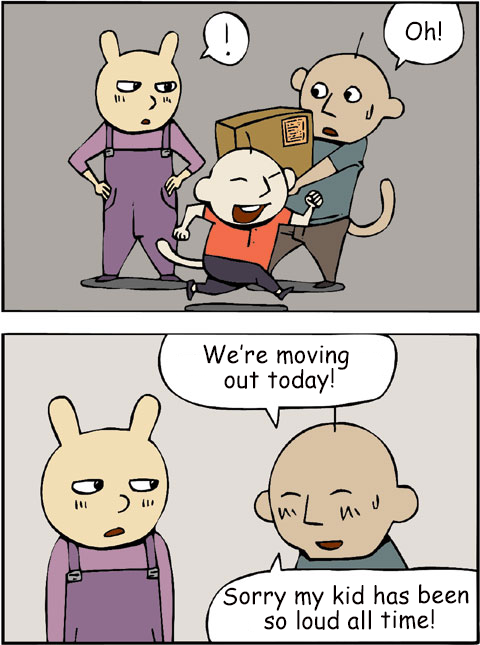
- Children or pets running around
- Exercise routines like jumping or weight lifting
Recognizing the type and frequency of noise is the first step to finding an effective solution.
🗣️ Communicating with Your Neighbor
1. Approach Calmly
Try to have a polite and friendly conversation. Most people are unaware of the disturbance they are causing.
2. Be Specific
Explain what times of day the noise occurs and how it impacts you. Providing specific examples helps your neighbor understand your concerns.
3. Offer Solutions
Suggest practical adjustments like using area rugs, adding felt pads under furniture legs, or scheduling high-impact activities during daytime hours.
4. Leave a Note
If you’re uncomfortable with face-to-face conversation, leaving a polite note is an effective alternative.
🏢 Involve Building Management
If direct communication doesn’t work, contact your building manager or landlord. Many buildings have noise policies outlined in lease agreements. They can mediate discussions or take appropriate action.
Document noise disturbances with dates and times to support your case if further action is needed.
🛠️ Soundproof Your Space
Carpets and Rugs
Adding thick carpets and rugs with high-density padding can absorb sound and reduce its impact.
Acoustic Panels
Install sound-absorbing panels or foam on your ceiling or walls to minimize noise transmission.
White Noise Machines
Use white noise machines, fans, or nature sound devices to mask disruptive sounds.
Window Treatments
Thick curtains or soundproof window inserts can help block external noise from traffic or neighbors.
Door Sweeps and Weather Stripping
Sealing gaps under doors and around windows can also reduce unwanted noise.
⚖️ Know Your Rights
Check local noise ordinances or tenancy laws. In many areas, persistent excessive noise can be grounds for official complaints or legal action. Some cities have designated quiet hours typically between 10 p.m. and 7 a.m.
Be aware of your lease agreement and homeowner association (HOA) rules, which may contain specific noise guidelines.
🧘 Coping Strategies
Sometimes, noise issues cannot be fully resolved. In these cases, focus on coping strategies to maintain your peace of mind:
- Use noise-canceling headphones or earplugs
- Rearrange your living space to minimize exposure to the noise source
- Engage in stress-relief activities such as yoga, meditation, or deep breathing exercises
- Plan outdoor activities or visits to quieter environments when noise becomes overwhelming
💭 Final Thoughts
Dealing with upstairs neighbor noise can be frustrating, but a combination of communication, soundproofing, and understanding can significantly improve your living situation. Remember, maintaining a calm and respectful approach is key to resolving disputes amicably.
If all else fails, consult legal advice or consider relocating to a top-floor unit where noise from above is no longer a concern.