




💉 Tattoo Stories: Inked for Life, Etched with Meaning
Tattoos are more than ink on skin—they are personal stories, cultural landmarks, and emotional time capsules. From ancient rites of passage to modern self-expression, the art of tattooing continues to evolve and inspire. In this long-form post, we delve into the compelling world of tattoos, exploring their history, symbolism, motivations, and unforgettable real-life stories.
🔢 A Brief History of Tattoos
Tattoos have existed for thousands of years. The oldest known human mummy with tattoos, “Ötzi the Iceman,” dates back over 5,000 years. From tribal rituals to prison marks, tattoos have carried many meanings:
- Ancient Egypt: Tattoos were used in spiritual practices.
- Polynesian Islands: Tattoos indicated rank, family, and bravery.
- Japan: Traditional irezumi tattoos told mythical stories.
- Western cultures: In the 20th century, tattoos shifted from taboo to trend.
Tattoos have always mirrored society’s views on identity, rebellion, and art. In recent years, tattoo archaeology has uncovered evidence that ancient women may have used tattoos for therapeutic or symbolic purposes. Even among war veterans, tattoos have long served as a symbol of survival, brotherhood, or remembrance.
📚 Why People Get Tattoos: Personal Stories Behind the Ink
Every tattoo has a story. Some are deeply emotional, others spontaneous, humorous, or even regretful. Here are a few common motivations:
- Memorial tattoos to honor lost loved ones
- Inspirational quotes that guided someone through dark times
- Matching tattoos with friends or partners
- Travel tattoos that mark a meaningful journey
- Cultural heritage expressed through tribal or symbolic designs
Real-life example:
“After my mom passed away, I got a small heart with her initials on my wrist. Every time I look at it, I feel her with me,” says Emily, 33.
Another story comes from James, 41, who overcame addiction and tattooed the date of his sobriety on his forearm. He says, *”It keeps me grounded. It reminds me how far I’ve come.”
Some people even tattoo the names of their children, pets, or favorite fictional characters. These personal markings reflect love, resilience, and identity in ink.
👀 First Tattoo? What You Should Know Before Getting Inked
Getting your first tattoo can be exciting and nerve-wracking. Here are essential tips:
- Research your artist: View their portfolio and reviews.
- Understand the pain: Areas with less fat (like ribs or feet) hurt more.
- Plan the design carefully: Avoid impulsive decisions.
- Stay sober: Alcohol thins your blood and can affect healing.
- Aftercare is everything: Follow instructions to avoid infection and fading.
Also consider the placement. Some employers still frown upon visible tattoos, especially on hands, neck, or face. Always think about the long-term implications.
Tattoos are permanent, but the decision doesn’t have to be rushed. Take your time.
🧩 Tattoo Regret: The Other Side of the Story
Not all tattoo stories are happy ones. Tattoo regret is common and usually stems from:
- Getting a partner’s name or face (relationships can end)
- Trendy or impulsive designs that lose meaning over time
- Poor execution or going to an unskilled artist
Many regretful tattoos were made during emotional highs or lows. People have laser removal procedures for everything from ex-partners’ names to misspelled foreign words.
If you’re on the fence, try:
- Temporary tattoos
- Henna or inkbox options
- Designing with a trial period in mind
Removal is possible but expensive, painful, and not always 100% effective. Always think twice—and maybe sleep on it a few nights—before getting inked.
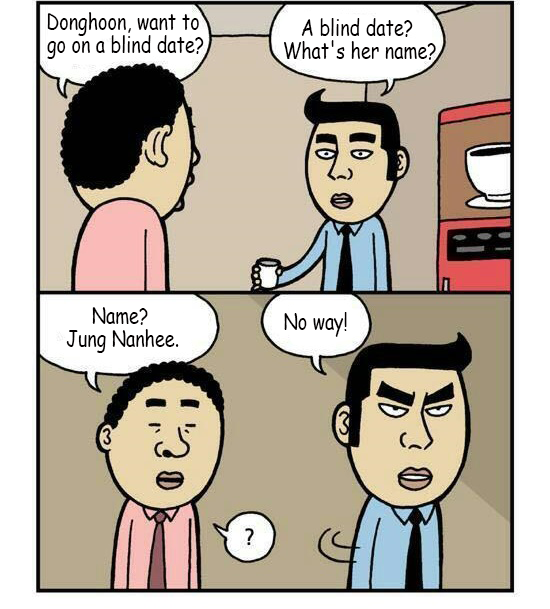
❌ Why You Should Think Twice Before Tattooing Your Partner’s Name or Face
Tattooing your partner’s name or face might seem like a romantic gesture, but it often comes with emotional and practical risks. Here are some reasons why many people advise against it:
- Relationships Can Change
No matter how strong things feel in the moment, relationships can shift unexpectedly. A breakup can turn that meaningful tattoo into a painful reminder. - Future Awkwardness
If you enter a new relationship, having your ex’s name or face permanently on your body can create discomfort or tension—both for you and your future partner. - Difficult and Costly to Remove
Tattoo removal is painful, expensive, and may never fully erase the image. Cover-ups are possible, but they still carry limitations and compromises in design. - Emotional Burden
Even if things end on good terms, carrying someone else’s image or name forever can prevent emotional closure or moving on. - Better Alternatives Exist
If you want to commemorate your love, consider symbols or quotes with shared meaning, instead of personal names or portraits.
🖌️ Tattoos as Art: Expression on Skin
Many people now see tattoos as a legitimate art form. Tattoo artists are often skilled illustrators, using skin as their canvas. Modern styles include:
- Realism: Portraits and lifelike designs
- Watercolor: Flowing, brushstroke-inspired looks
- Blackwork: Bold black shapes and intricate linework
- Geometric: Symmetry, patterns, and sacred geometry
- Minimalist: Simple but powerful one-line drawings or words
- Neo-traditional: Combines old-school motifs with vibrant color and modern aesthetics
Tattoo conventions, contests, and global festivals celebrate this artistry. Some artists are booked months in advance, with clients traveling internationally just for their work.
🕺 Cultural and Religious Views on Tattoos
Attitudes toward tattoos vary widely:
- Some cultures embrace tattoos as sacred and symbolic.
- Certain religions discourage or forbid tattoos, viewing them as body desecration.
- In some countries, visible tattoos can affect job opportunities or social perception.
For example:
- In Maori culture, tattoos (moko) are a sacred expression of identity.
- In Judaism and Islam, tattoos are often discouraged based on religious texts.
- In South Korea and Japan, tattoos are still associated with crime or rebellion.
Always consider the cultural context of the designs you choose—what may be trendy in one place might be offensive or sacred in another.
🛍️ Tattoos and Identity: A Statement of Self
Tattoos are often a way of saying, “This is who I am.” They mark:
- Milestones (births, graduations, survival from illness)
- Beliefs (spiritual, political, philosophical)
- Individuality (unique art not worn by anyone else)
For members of marginalized communities, tattoos can also represent reclaiming power or asserting identity. LGBTQ+ individuals, for example, often use tattoos to express pride and solidarity.
For others, it may be a spiritual journey, symbolizing transformation, healing, or a rite of passage. Whether subtle or bold, tattoos are deeply tied to the stories of self.
📌 Final Thoughts: Your Skin, Your Story
Tattoos are deeply personal. Whether it’s your first ink or your fiftieth, the meaning behind it makes it special. They remind us of where we’ve been, who we’ve loved, what we believe in, and what we’ve overcome.
The tattoo you choose may fade over time, but its meaning often grows stronger. In an age of rapid change, tattoos remain timeless declarations of the human experience.
As tattoo culture continues to grow globally, one thing is certain: every tattoo tells a story.


