




The Fascinating World of Thermometers: A Complete Guide
🌡️ Introduction
Thermometers have been an essential tool in science, medicine, cooking, and weather forecasting for centuries. From ancient concepts of temperature measurement to today’s high-tech digital devices, thermometers continue to play a vital role in our daily lives.
🕰️ The History of Thermometers
The journey of thermometers dates back to the early 17th century. Italian scientist Galileo Galilei is credited with inventing the thermoscope, an early version of the thermometer. Later, in 1714, Daniel Gabriel Fahrenheit introduced the mercury thermometer and the Fahrenheit scale, forever changing the way temperature was measured.
The Celsius scale, developed by Anders Celsius in 1742, became the standard in most countries and is still widely used today. The evolution of thermometers has since led to the development of advanced digital and infrared models.
🔎 Types of Thermometers
- Mercury Thermometers: Traditional and highly accurate, though now less common due to mercury’s toxicity.
- Alcohol Thermometers: Safer than mercury, often used in cold climates.
- Digital Thermometers: Provide quick, precise readings and are widely used in medical and household settings.
- Infrared Thermometers: Measure temperature from a distance, ideal for industrial use and fever screening.
- Bimetallic Strip Thermometers: Common in household appliances like ovens and refrigerators.
- Thermocouple Thermometers: Used in laboratories and industry for high-temperature measurements.
- Resistance Temperature Detectors (RTDs): Highly accurate, used in industrial applications.
- Liquid Crystal Thermometers: Flexible strips that show temperature changes with color.
💡 How Thermometers Work
Thermometers operate based on the principle that materials expand and contract with temperature changes. In liquid thermometers, the liquid rises as it heats and falls as it cools. Digital and infrared thermometers use electronic sensors to detect temperature variations.
Advanced thermometers, such as thermocouples and RTDs, measure changes in electrical resistance or voltage caused by temperature fluctuations. These innovations have greatly expanded the accuracy and usability of temperature measurement across industries.
🏥 Thermometers in Healthcare
Thermometers are indispensable in medicine. Accurate body temperature measurement is critical for diagnosing illnesses such as infections and monitoring patient health. The COVID-19 pandemic highlighted the widespread use of digital and infrared thermometers for fever screening.
Pediatricians recommend digital ear thermometers for children due to their comfort and ease of use. Forehead thermometers have also gained popularity for their non-contact capabilities.
🍳 Thermometers in Cooking
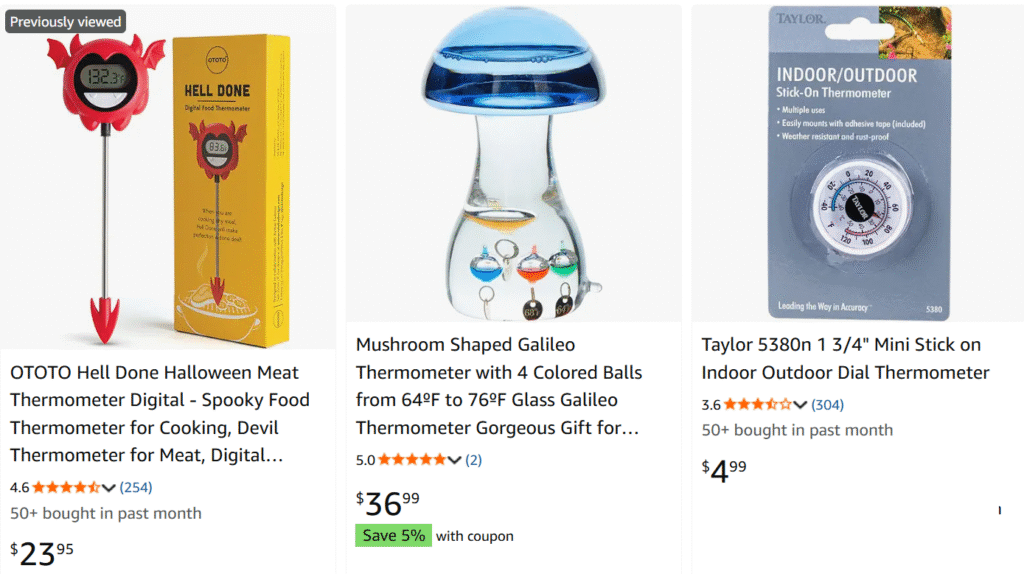
In the kitchen, thermometers ensure food safety and quality. Meat thermometers help avoid undercooked poultry and beef, while candy and deep-fry thermometers are crucial for precision cooking.
Professional chefs use probe thermometers to monitor internal temperatures without opening the oven, preserving heat and improving cooking efficiency. Instant-read thermometers have become household staples for quick checks.
🌦️ Thermometers and Weather Forecasting
Meteorologists rely on thermometers to gather temperature data, which helps in predicting weather patterns. These readings are fundamental for climate studies and agricultural planning.
Outdoor thermometers range from simple liquid-in-glass models to sophisticated automated sensors connected to weather stations, providing real-time data for forecasts and research.
📝 Tips for Using Thermometers
- Always clean medical thermometers before and after use.
- Calibrate thermometers regularly for accuracy.
- Follow manufacturer instructions, especially for digital and infrared models.
- Avoid using mercury thermometers when safer alternatives are available.
- Store thermometers properly to prevent damage and ensure longevity.
💭 Final Thoughts
Thermometers, though simple in concept, are incredibly versatile and critical in numerous fields. Whether you’re monitoring a fever, checking your oven temperature, or studying climate trends, thermometers remain an indispensable tool.
Understanding the types and uses of thermometers allows us to make informed choices for safety, health, and precision in everyday life. As technology evolves, future advancements promise even more innovative and accurate temperature measurement solutions.