


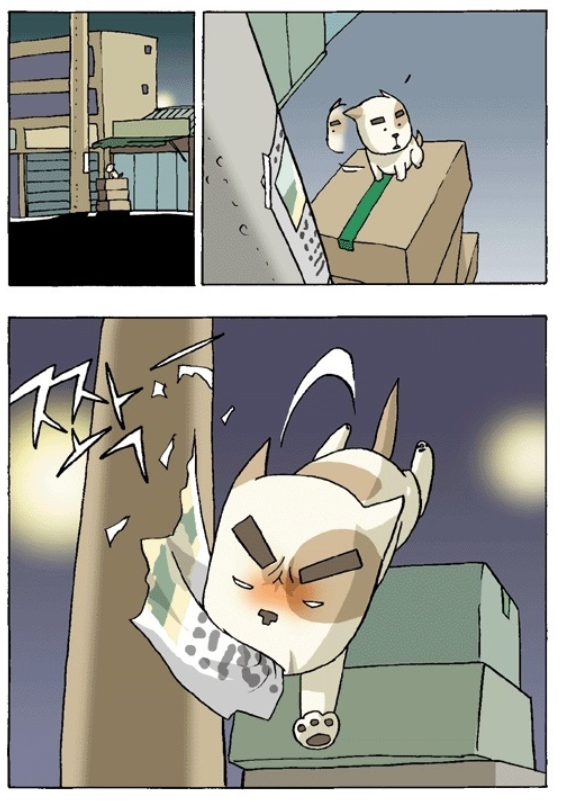


🐾 How Can I Find My Lost Dog or Cat? And How Can I Prevent It From Happening Again?
Losing a pet is one of the most stressful experiences a pet parent can go through.
That heart-dropping moment when you realize your dog is no longer in the backyard, or your indoor cat is suddenly missing from the house—it’s terrifying.
But don’t panic. In this comprehensive guide, you’ll learn:
- ✅ How to find your lost pet fast
- ✅ Why pets go missing in the first place
- ✅ How to prevent escapes in the future
- ✅ What tools, technologies, and resources work best
- ✅ Emotional tips to stay focused and hopeful
This isn’t just a guide—it’s a roadmap home for you and your furry companion.
🧭 Step-by-Step: How to Find a Lost Dog or Cat
🛑 1. Don’t Panic—Take Action Within the First Hour
Speed is crucial. The first 2–4 hours are often the most effective window to recover a lost pet.
Start by:
- Checking your entire house: basements, closets, laundry machines.
- Searching under porches, cars, sheds, or dense bushes.
- Asking neighbors immediately—knocking on doors works.
- Bringing treats, toys, and something with your scent.
- Walking the area while calling their name calmly.
For dogs: Move in expanding circles outward from home. Dogs may wander or follow people.
For cats: 75% are found within 500 feet of home—they may be hiding close by and afraid to respond.
📢 2. Alert Your Local Community Fast
The more people looking, the higher your chances of getting your pet back.
Share on These Platforms:
- Facebook: Use local “Lost & Found Pets” groups in your area.
- Nextdoor: Neighbors see urgent alerts.
- Craigslist: Post under Lost & Found and Pets.
- Instagram/TikTok: Yes—many pets are found via viral content.
- Neighborhood bulletin boards at coffee shops, shelters, vet offices.
Create High-Impact Flyers:
- Large CLEAR PHOTO
- Pet’s name, breed, color
- Any identifying marks or collar info
- “DO NOT CHASE” warning if needed
- REWARD (optional) and YOUR NUMBER
Post flyers on poles, parks, traffic intersections, gas stations, mailboxes, and outside animal shelters.
🛰️ 3. Use Tech: GPS, Microchips & Pet-Finder Apps
Modern technology has made pet recovery faster and more accurate than ever.
Use these apps/websites:
- PawBoost – Post alerts, notify shelters, print flyers.
- Petco Love Lost – Free image-recognition for found pets.
- Finding Rover – Uses facial recognition.
- PetAlert, Petfinder, Fido Finder
If your pet has a microchip, contact the registry immediately. If someone finds them and takes them to a vet or shelter, the chip will help bring them home.
Don’t know your chip provider?
Look it up using the Universal Pet Microchip Lookup Tool: https://www.petmicrochiplookup.org
🕵️ 4. Daily Search Tips for Ongoing Effort
Not found on day one? Don’t give up—many pets are found days or weeks later.
Keep Doing the Following:
- Walk the neighborhood morning and night
- Set up a trail camera if you suspect they’re nearby
- Leave out unwashed clothes, food, water, and their bed
- Visit shelters in person every 1–2 days. They may not call even if your pet is there.
👂 Try Audio Lures:
- Record your voice calling their name and play it on loop near your home.
- Cats may respond to shaking a treat bag or jingling bells.
🧲 5. Use Humane Traps for Shy or Hiding Pets
Indoor cats especially may not come when called due to fear. A humane live trap, available at shelters or pet stores, can help safely retrieve a hidden cat.
Use stinky wet food (like tuna or sardines), place near suspected hiding spots, and check frequently.
🛡️ Why Do Pets Go Missing in the First Place?
Understanding why can help you prevent it next time.
🐶 Common Causes for Lost Dogs:
- Loud noises (fireworks, thunder)
- Open gates or doors
- Lack of training
- Boredom or chasing prey
- Poor fencing or leash/harness failure
🐱 Common Causes for Lost Cats:
- Curiosity near open doors/windows
- Chasing small animals or birds
- Escaping during a move
- Getting locked in garages or sheds
- Carriers accidentally left open during travel
🔐 Prevention: How to Keep Your Pets Safe & Secure
The best way to avoid the heartbreak of a lost pet is prevention.
🧬 1. Microchip & Register Your Pet
This is the most powerful tool in pet recovery.
But it only works if the information is up to date!
- Register with major databases like HomeAgain, AKC Reunite, PetLink.
- Include multiple contact numbers and emails.
📳 2. Use Smart Collars or GPS Trackers
Attach a GPS tracker to your pet’s collar for real-time location tracking.
Popular options:
- Apple AirTag with pet-safe collar case
- Fi Smart Collar
- Whistle GO
- Tractive GPS Pet Tracker
These allow you to locate your dog or cat from your phone in seconds.
🚧 3. Improve Your Home’s Pet Safety
For dogs:
- Check for holes in fences.
- Use self-closing gates and locks.
- Never leave dogs unsupervised outside for long.
For cats:
- Install window screens and lockable windows.
- Use “catios” (cat patios) for safe outdoor time.
For both:
- Use baby gates or exercise pens inside for front door protection.
- Always leash your pet before opening any door or gate.
🗣️ 4. Train Recall & Desensitize to Sounds
For dogs:
- Practice recall training (“Come!”) with treats and praise.
- Teach them to come indoors immediately at the sound of thunder or fireworks.
For cats:
- Train with sound cues—shaking a treat jar, a bell, or clicking your tongue.
📚 Case Studies: Real Pet Recovery Stories
🐾 1. “Oliver” the Indoor Cat
Gone for 6 days. Found under the neighbor’s porch using a flashlight at night and a humane trap.
🐾 2. “Milo” the Labrador
Ran off during July 4th fireworks. GPS tracker showed him in a nearby alley. Recovered in under 2 hours.
🐾 3. “Nala” the Beagle Mix
Jumped the fence. Flyers posted at gas stations led to a phone call from a truck driver who saw her on a highway ramp—10 miles away.
😥 Emotional Support: You’re Not Alone
Losing a pet is devastating. It brings guilt, fear, and uncertainty. Be kind to yourself.
Coping Strategies:
- Join online pet loss/recovery groups (Facebook, Reddit)
- Talk to a friend, therapist, or pet behaviorist
- Use journaling to express emotions and hope
- Focus on the next action step, not the worst-case scenario
Remember: Thousands of pets are found each day. Yours could be next.
🧾 What to Do After Recovery
Once your beloved pet is back home:
- Visit the vet to ensure their health and hydration
- Give them quiet space and rest
- Update collar tags and microchip info
- Reward with treats and affection—but don’t punish for escaping
Then take the time to fix the cause of their escape.
🛍️ Checklist: Top Products to Prevent Pet Escapes
| Item | Purpose |
|---|---|
| GPS Pet Tracker | Real-time tracking |
| Smart Collar | Health + location monitoring |
| Microchip + Updated Registry | Permanent ID |
| Secure Fencing / Catio | Safe outdoor space |
| Door Sensors / Alarms | Prevents unnoticed escapes |
| Pet ID Tag (engraved) | Fast contact info |
| Pet Camera (with 2-way audio) | Monitor while away |
| Recall Training Tools (whistle, clicker) | Improves response |
🐕🦺 Final Thoughts: Finding and Protecting Our Animal Family
Losing a pet is traumatic—but with preparedness, quick action, and community help, the odds of recovery are high. Prevention is equally important—you can take simple steps today to keep your furry friend safe tomorrow.
So, whether you’re currently searching or planning ahead:
Hope is never lost—and neither is your pet, as long as love and action keep searching.