




💼 Overtime Pay Explained: What You Need to Know About Earning Beyond the Clock
⏰ Introduction: Working Late? Know What You’re Really Earning
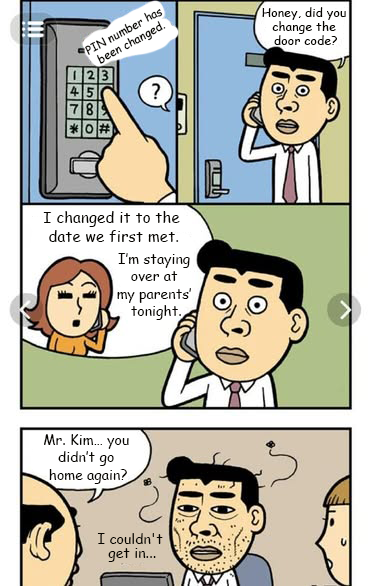
You stayed late again.
Finished the report. Took care of last-minute emails. Helped the team hit a tight deadline.
But the big question is — did you get paid for it?
Overtime pay is one of the most overlooked but critical aspects of employee compensation. Whether you’re an entry-level worker or a seasoned professional, understanding your overtime rights is essential.
This post will break down everything you need to know:
- What is overtime pay?
- Who is eligible and who is exempt?
- How is overtime calculated?
- Laws and regulations by country (especially U.S.)
- Common employer violations
- How to claim unpaid overtime
- Overtime myths and truths
📚 What Is Overtime Pay?
Overtime pay is the additional compensation paid to employees who work beyond the standard number of hours, usually defined as 40 hours per week in the U.S.
Most commonly, overtime is paid at a rate of 1.5 times the regular hourly wage, often referred to as “time and a half.”
💡 Example: If you make $20/hour, your overtime rate is $30/hour.
In many countries, this is a legal requirement — not a favor from your employer.
🧾 Overtime Basics: Hours, Rate, and Pay Rules
✅ Standard Workweek
In most jurisdictions, 40 hours per week is the threshold for overtime. Anything beyond that is considered overtime.
✅ Standard Overtime Rate
- Time and a half (1.5x pay) for overtime hours
- Double time (2x pay) may apply for holidays or excessive hours in some cases
✅ Daily Overtime (Where Applicable)
In some areas like California, you can earn overtime if you work more than 8 hours in a single day, regardless of the weekly total.
📋 Who Qualifies for Overtime Pay?
Not all employees are entitled to overtime. Here’s the breakdown:
🧑💼 Non-Exempt Employees
✅ Eligible for overtime
Includes most hourly workers, some salaried employees depending on job duties and income level.
🕴️ Exempt Employees
❌ Not eligible for overtime
Usually includes:
- Executives
- Professionals (e.g., lawyers, accountants)
- Administrative workers with decision-making authority
- Outside salespeople
⚠️ Note: Just because you’re salaried doesn’t automatically mean you’re exempt. It depends on specific duties and pay thresholds.
🇺🇸 Overtime Laws in the United States (FLSA)
The Fair Labor Standards Act (FLSA) governs overtime pay in the U.S.
Key Points:
- Overtime is required for non-exempt workers who work more than 40 hours/week
- The federal minimum salary threshold for exemption is $684/week (as of 2023)
- Employers must keep accurate time records
- Comp time (compensatory time off instead of pay) is not allowed in the private sector for non-exempt employees
State-Specific Variations:
Some states, like California, New York, and Washington, have stricter overtime laws and higher salary thresholds.
🌍 Overtime Laws Around the World
🇨🇦 Canada:
- Overtime usually begins after 44 hours/week
- Time and a half is common
- Some provinces allow time off instead of pay (banked time)
🇬🇧 UK:
- No legal requirement to pay overtime, but must meet minimum wage law
- Maximum weekly working hours: 48 hours (average over 17 weeks)
🇦🇺 Australia:
- Overtime is governed by modern awards or enterprise agreements
- Often kicks in after 38 hours/week
🇩🇪 Germany:
- Overtime is usually limited and not heavily relied upon
- Some workers may receive compensatory time off
💸 How to Calculate Overtime Pay (U.S. Example)
📌 Formula:
Overtime Pay = (Hourly Rate × 1.5) × Overtime Hours
Example:
- Hourly rate = $18
- Overtime hours = 6
- Overtime pay = ($18 × 1.5) × 6 = $162
If you’re salaried and non-exempt, your hourly rate is calculated by dividing your weekly salary by 40 hours.
🚫 Common Overtime Violations by Employers
Unfortunately, not all employers follow the rules. Watch out for these red flags:
- Not paying for unauthorized overtime (still required by law)
- Misclassifying employees as exempt
- Averaging hours over two weeks (e.g., 50 hours one week, 30 the next — this is not legal)
- Not paying for off-the-clock work (e.g., answering emails after hours)
- Offering comp time instead of pay in private sector (illegal under FLSA)
If your employer is doing any of the above, it may be time to speak up or seek legal advice.
🧑⚖️ What to Do If You’re Not Paid Overtime
Step-by-Step:
- Document Everything – Keep a log of your hours, emails, and requests.
- Speak to HR or Payroll – Ask for clarification first.
- File a Complaint with the Department of Labor (DOL) – Use the Wage and Hour Division.
- Consult an Employment Lawyer – Especially if the issue persists or you’ve been retaliated against.
Employees are protected under law — it’s illegal for an employer to fire or punish you for asserting your right to fair wages.
🧠 Myths About Overtime (Busted)
❌ “Salaried employees never get overtime.”
Wrong. Some salaried workers are non-exempt and qualify based on duties and pay level.
❌ “If I work 39 hours one week and 41 the next, I’m fine.”
False. Overtime is based on weekly, not biweekly averages.
❌ “Overtime is optional if I didn’t get permission.”
Legally, if you worked it, you must be paid, even if unauthorized.
🔄 Overtime vs. Comp Time
Comp Time = Time off instead of extra pay.
- Allowed in the public sector (e.g., government jobs)
- Not legal for private sector employees under FLSA
Some companies offer “flex hours,” which is different from comp time and must still comply with labor laws.
💼 Should You Work Overtime?
Before saying “yes” to extra hours, ask yourself:
- Is the overtime mandatory or voluntary?
- Will it affect my work-life balance or health?
- Is the pay worth it?
- Am I being fairly compensated according to the law?
Overtime can boost your paycheck — but it shouldn’t come at the cost of mental health, family, or personal goals.
✨ Final Thoughts: Know Your Worth Beyond 40 Hours
In today’s hustle culture, working overtime might feel like the norm. But you should never work extra without knowing your rights, your rate, and your value.
Whether you’re fighting for back pay or planning your next paycheck, understanding overtime is empowering.
Because when it comes to your time — every hour counts.